Best Astro Themes for Gyms, Trainers and Fitness Coaches (2026)
The best Astro themes for gyms, personal trainers and fitness coaches in 2026 - what a training-business website actually needs to turn a scroll into a booked session, plus a look at the standout pick.
Most gym and personal-trainer websites are built from the same recycled template: a stock photo of someone mid-deadlift, a services grid with three icon cards, and a contact form nobody fills in. None of it is built around how someone actually decides to book a session - usually fast, usually on a phone, usually while comparing two or three options in the same five minutes.
A training business needs a site that gets out of the way of that decision. This guide covers what that actually requires, and looks closely at the one Astro theme built specifically for the job.
What a training-business site needs to get right
- Speed on a phone. Someone searching “personal trainer near me” is deciding in the search results and the first three seconds of the page. A slow site loses that decision before it is made.
- A booking path that takes one tap. A trial class, a free consult, a membership sign-up - whatever the first step is, it should be obvious and close, not buried in a nav menu three levels deep.
- Real coaches and real programs, not stock photography. People are trusting someone with their body. A named coach with real credentials and a program with a real structure builds that trust faster than a polished but generic photo of someone else’s gym.
- Pricing that is easy to compare. Membership tiers, drop-in rates, package deals - laid out so a visitor can compare them in one glance instead of hunting through paragraphs.
- A reason to stay on the page a little longer. A calculator, a quiz, a free program sample - anything that gives a first-time visitor something to do before they are asked to hand over an email address.
The standout pick: Form Lab
Form Lab is built for gyms, personal trainers, strength coaches and studios that sell results, not an equipment list. The homepage opens on full-bleed gym photography with TRAIN BETTER set in oversized italic caps, then works through coaching services, membership pricing, transformation goals and coach profiles - the actual sales sequence a training business runs, not a generic small-business layout with the copy swapped.
What sets it apart is the content structure underneath. Programs, coaches and journal articles are each their own collection, so adding a sixth coach or retiring a program is one Markdown file, not a component edit. The site regenerates the grid and the detail page on its own. There is also a working BMI calculator, which does the job the “stay a little longer” bullet above is asking for: it is metric, banded into plain-language results instead of a bare number, and it gives a first-time visitor a reason to engage before the contact form ever shows up.
The palette is near-black with an acid lime accent used with real discipline - on buttons, eyebrows and icons, never as a wash - and the motion is GSAP and Lenis, both bundled from npm. No jQuery, no Bootstrap runtime, 143KB of JavaScript for the whole site. For a page that is competing for attention with someone’s thumb mid-scroll, that weight difference is the whole game.
What else is out there
A handful of free and open-source Astro fitness templates exist if a paid theme is more than you need right now - FitZone Gym, IgniteFit, AstroFit and MuscleCare are worth a look on GitHub, Etsy and the astro.build/themes directory. Most are single-page layouts built around a hero, a class schedule and a contact form, which covers a very small studio well but runs out of structure once you want dedicated coach profiles or more than a handful of programs. Check the Astro version and how recently a free template was touched before building on top of it - a lot of them were built once for an older Astro release and never revisited.
If loud gym energy is not your brand
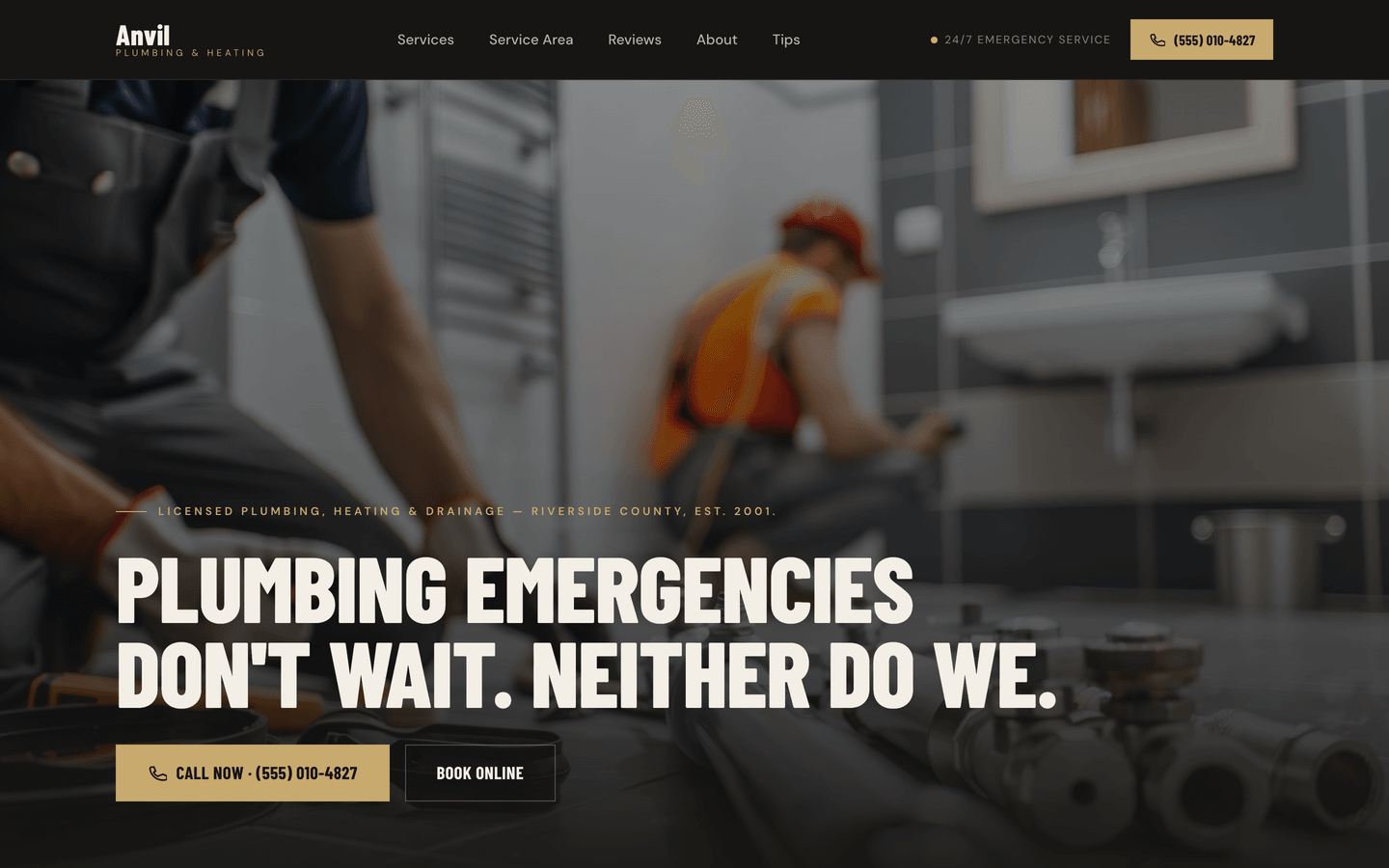
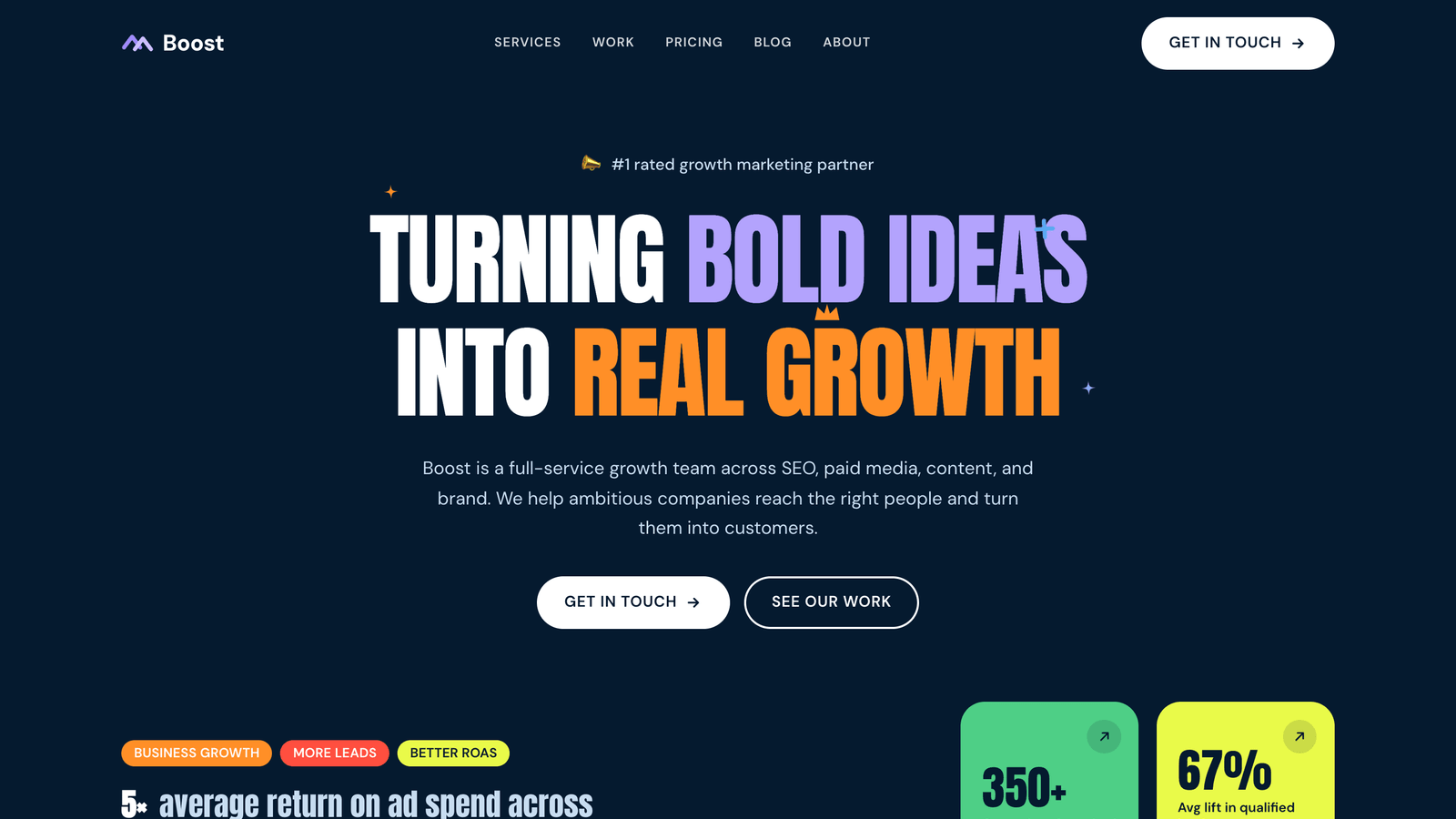
Not every training business wants near-black and acid lime. A yoga studio, a physical therapy practice or a boutique pilates studio often reads better in a calmer register. Anvil, built for trades and home-service businesses, brings a quote-form and sticky-call-bar structure that works just as well for booking a consult, in a quieter charcoal-and-amber palette. Boost, aimed at agencies and service shops, offers a deep-navy, more corporate feel if the business leans wellness-consulting rather than gym-floor. Both are also editable in the visual builder, so you can try the fit before committing to code.
Getting started
If the business is a gym, a personal-training practice or a strength studio, start with Form Lab - it is built for exactly that sale, and the program and coach structure will save real time as the business grows. If the brand needs a calmer register, Anvil or Boost cover that without losing the booking-first structure a service business needs. Browse the full collection to compare, or open a theme in the visual builder to see it with your own coaches and pricing in it before you decide.
Frequently asked questions
Is there an Astro theme specifically built for gyms and personal trainers? +
Yes. Form Lab is built specifically for gyms, personal trainers and training studios, with dedicated program, coach and journal sections rather than a generic services grid with a barbell icon swapped in. A handful of free and open-source Astro fitness templates also exist on GitHub and Etsy, though most are simpler one-page layouts without the collection-based content structure a growing studio needs.
What does a gym or personal trainer website actually need? +
A fast page, because most fitness searches happen on a phone while someone is deciding whether to show up; a clear way to book a class, a consult or a free trial, ideally in one tap; real coach and program information instead of stock photos of people who do not work there; and membership pricing that is easy to compare at a glance. Everything else - testimonials, a blog, a calculator - helps, but only after those basics work.
Can I add or edit coaches and training programs myself, without a developer? +
With a theme built on content collections, yes. Form Lab treats each program, coach and journal article as its own file - adding a new trainer or retiring a program is a matter of adding or editing one Markdown file, and the site regenerates the grid and detail page automatically. There is no database and no admin login to manage.
What's the real difference between a free fitness template and a paid theme? +
Mostly depth and upkeep. Free Astro fitness templates are usually a single home page with a handful of sections, built once and rarely updated for newer Astro versions. A paid theme like Form Lab ships a full site - programs, coaches, pricing, a journal, legal pages - built and tested on the current Astro release, with the license and support that come from an actual product rather than a one-off repository.
How fast should a gym or trainer website load? +
As fast as you can manage, because the decision to book is often made in seconds, on a phone, possibly on the walk to work. Form Lab ships 143KB of JavaScript for the entire site and no jQuery or Bootstrap runtime, which is a fraction of what most fitness website builders load before a visitor sees anything.
Start from a production-ready Astro theme
Skip building the design from scratch. These themes are full Astro 7 + Tailwind v4 projects you own outright - and you can edit them visually, no code, with the AeroLaunch builder.